- 21 Jul, 2025
Studying abroad is not just about textbooks and exams—it's about living a whole new life. When you choose Japan or South Korea as your study destination, you're not only enrolling in a university but also immersing yourself in two of Asia’s most vibrant and fascinating cultures. Here’s a closer look at what student life is really like in both countries.
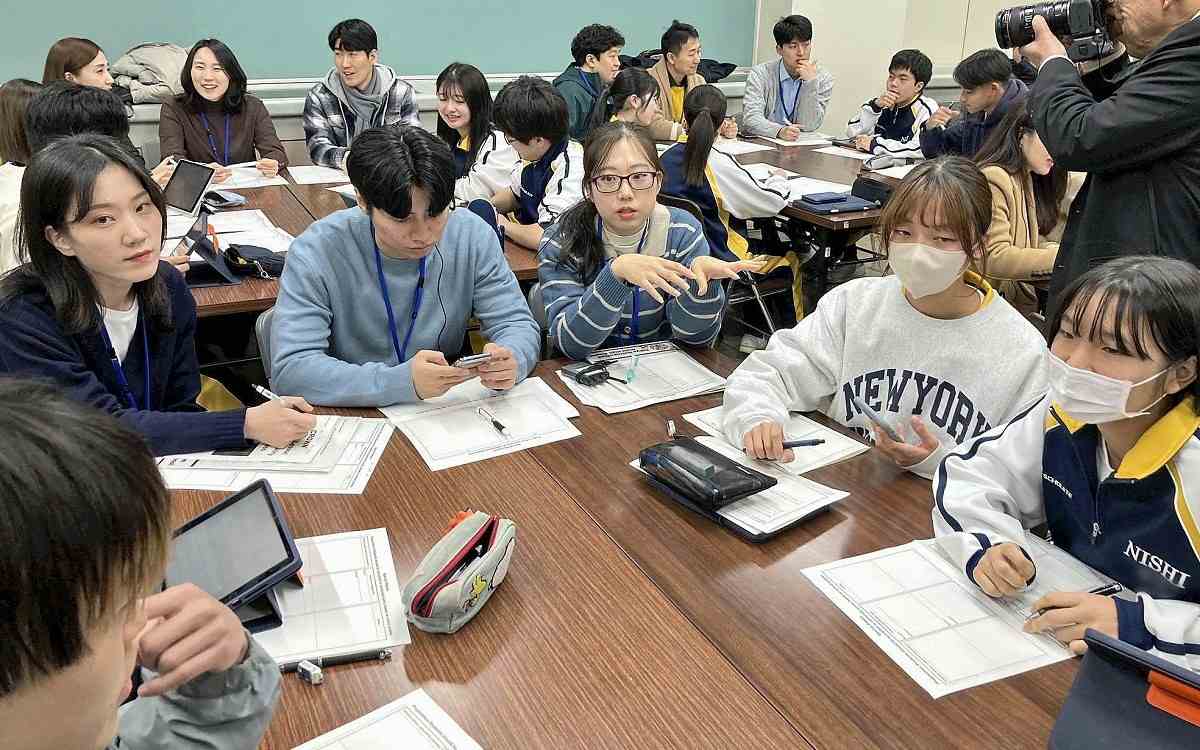
Both Japan and Korea have well-structured academic environments. Universities are equipped with modern facilities, libraries, research labs, and co-working spaces. You’ll find student clubs, events, and cultural exchange programs that make it easy to socialize and settle in.
In Japan, campus life is generally calm and disciplined. Students tend to focus on their studies, but cultural clubs (like tea ceremony, anime, or traditional music) provide exciting experiences.
In Korea, campus life is dynamic and fast-paced. You’ll experience frequent university festivals, K-pop dance clubs, and even fashion shows organized by students.
Japan: Options include dormitories, shared apartments (called "share houses"), and host families. Clean, safe, and private, though rent can be a bit high in cities like Tokyo.
Korea: Offers affordable student dorms with modern amenities. Many students also live in "goshiwons" (small rooms), or rent apartments with friends.
Japan: Sushi, ramen, donburi, tempura—you’ll be spoiled with delicious, healthy meals. School cafeterias also serve affordable sets for students.
Korea: Kimchi, bibimbap, bulgogi, Korean BBQ—you’ll fall in love with the spicy and flavorful Korean cuisine. Cafeterias and convenience stores make eating on a budget easy.
One of the best parts of studying in Japan or Korea is exploring their rich cultures.
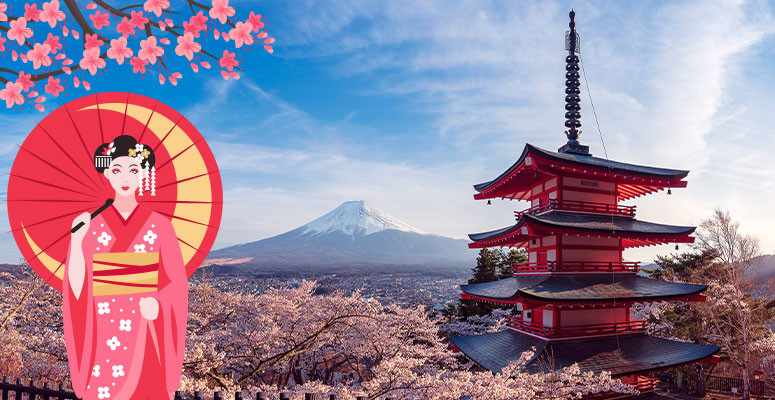
Visit temples, shrines, and seasonal festivals like Hanami (cherry blossom viewing)
Explore traditional arts like origami, calligraphy, or martial arts
Enjoy pop culture with anime, manga, and themed cafés
Dive into the world of K-pop, K-dramas, and trendy fashion
Participate in Chuseok (harvest festival) or Lunar New Year traditions
Take weekend trips to places like Nami Island, Jeju, or Gyeongbokgung Palace
Both countries allow international students to work part-time with proper permits.
In Japan, jobs include convenience stores, cafes, translation work, or teaching English. The hourly wage is good, but basic Japanese is usually required.
In Korea, students work in restaurants, cafés, or as English tutors. Knowing some Korean helps a lot, but many opportunities exist for English speakers too.
Post-graduation, both countries offer work visas and programs for international graduates, especially in fields like tech, education, tourism, and business.
Whether you choose Japan or South Korea, your study abroad journey will be unforgettable. From world-class education and cultural discoveries to delicious food and new friendships—student life here is filled with growth, adventure, and memories that last a lifetime.
South Korea is rapidly emerging as a favorite for international students, offering a perfect blend...
Japan is more than just anime, sushi, and cherry blossoms—it's a global hub for education,...



Comments (0)